


The immune system is your body’s natural defense against infections, viruses, and harmful invaders. It is a complex network of cells, tissues, and organs that work together to keep you healthy and protected. When your immune system is strong, it can quickly detect and fight off illnesses. But when it’s weak, your body becomes more vulnerable to frequent colds, infections, and fatigue.
Many people don’t realize how important the immune system is until they start getting sick often. That’s why keeping it balanced and strong is essential for long-term health. A well-functioning immune system not only protects you from seasonal flu and viruses but also helps your body recover faster when you do get sick.
By understanding how the immune system works and what affects its performance, you can take simple steps to support it naturally. Proper nutrition, daily exercise, quality sleep, and stress management all play a vital role in strengthening your immunity. In this guide, we’ll explore easy and natural ways to boost your immune system so you can stay healthy and active every day.
What is the Immune System?

The immune system is the body’s natural defense system that helps protect you from infections, viruses, bacteria, and other harmful invaders. It is made up of a complex network of cells, tissues, and organs that work together to identify and fight off anything that shouldn’t be in your body. A strong immune system keeps you healthy by attacking germs and preventing diseases before they spread.
One of the main functions of the immune system is to recognize the difference between your body’s healthy cells and harmful substances like viruses or toxins. When it detects a threat, it activates a defense response to destroy it. This process includes white blood cells, antibodies, and other immune responses that help neutralize or eliminate the invader.
Your immune system is always working in the background—even when you’re not sick. It constantly scans your body for signs of infection or imbalance. If your immune system is weak or not functioning properly, you may get sick more often and take longer to recover.
To stay strong and healthy, it’s important to support your immune system naturally through good nutrition, regular sleep, physical activity, and stress management. By taking care of your immune health, you can improve your body’s ability to fight illness and stay well all year round.
A healthy immune system is the key to living a strong, active, and disease-free life.
Top Natural Ways to Boost Immunity

Having a strong immune system is essential for staying healthy and fighting off infections. Thankfully, you don’t need complicated treatments to support your immune health. Nature offers powerful ways to strengthen your body’s defense system. By making simple lifestyle changes and using natural methods, you can help your immune system work at its best every day.
1. Eat Immune-Boosting Foods
A nutritious diet is one of the best ways to support your immune system. Include colorful fruits and vegetables, whole grains, and lean proteins in your meals.
- Vitamin C (found in oranges, lemons, and strawberries) boosts white blood cell production.
- Zinc (from nuts, seeds, and beans) helps fight viruses and supports healing.
Antioxidants (from berries, spinach, and green tea) protect immune cells from damage.
Avoid processed foods and sugar, which can weaken your body’s natural defense.
2. Stay Hydrated
Water is essential for flushing out toxins and keeping your organs healthy. Staying well-hydrated allows your immune system to work efficiently.
- Drink at least 8–10 glasses of water daily.
- Herbal teas, coconut water, and fresh juices also help.
- Dehydration slows down immune responses, so make water your best friend.
3. Get Enough Sleep
Your body repairs and recharges while you sleep, including your immune system.
- Adults should get 7–9 hours of quality sleep each night.
- Poor sleep can lower infection-fighting cells, making you more likely to get sick.
- Create a calm bedtime routine and avoid screens before sleeping.
4. Reduce Stress Naturally
Chronic stress produces hormones like cortisol that weaken your immune system over time.
- Try meditation, yoga, or deep breathing exercises.
- Spending time with loved ones or in nature can also calm the mind.
- Managing stress helps your body stay strong and balanced.
5. Soak in Some Sunlight
Sunlight helps your body produce Vitamin D, which supports a healthy immune system.
- Just 15–20 minutes of morning sunlight a day is enough.
- Low Vitamin D levels are linked to increased risk of illness.
- You can also eat foods like egg yolks and mushrooms for natural Vitamin D.
6. Use Natural Herbs and Spices
Certain herbs and spices naturally support the immune system and fight inflammation.
- Turmeric has curcumin, which reduces inflammation.
- Ginger helps with digestion and fights infections.
- Garlic has antibacterial and antiviral properties.
- Ashwagandha helps reduce stress and improves immune response.
- You can add them to meals or drink them in teas.
7. Exercise Regularly
Physical activity improves circulation and helps immune cells move freely in the body.
- Aim for 30 minutes of moderate activity most days (walking, jogging, yoga).
- Exercise lowers stress, improves sleep, and boosts energy levels.
- A consistent fitness routine keeps your immune system alert and ready.
These natural methods are simple but powerful. When followed regularly, they can build a stronger immune system and help you live a healthier life.
Bonus Tips for Stronger Immunity
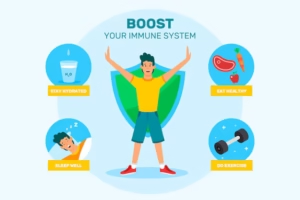
Building a strong immune system is not just about eating right or exercising. There are many small lifestyle habits that can make a big difference in how well your body defends itself. These bonus tips will help support your overall health and give your immune system the extra boost it needs to keep you protected.
1. Practice Good Hygiene
Keeping your hands clean is one of the easiest ways to avoid infections.
- Wash your hands with soap and water for at least 20 seconds, especially before eating, after using the toilet, or after touching public surfaces.
- Clean high-touch items like mobile phones and doorknobs regularly.
By reducing exposure to harmful germs, you give your immune system less to fight off.
2. Maintain a Healthy Weight
Carrying extra weight can lead to chronic inflammation, which weakens your immune system.
- Eat balanced meals with plenty of fiber, fruits, and vegetables.
- Avoid junk food and sugary drinks.
- Stay physically active to manage body weight and improve overall health.
A healthy weight supports better immune responses and reduces disease risk.
3. Avoid Smoking
Smoking introduces harmful chemicals into your lungs and blood, which damages the immune system.
- It reduces oxygen flow, harms white blood cells, and increases your risk of infections.
- Quitting smoking helps your immune system heal and become more effective at fighting illness.
Even reducing exposure to secondhand smoke can make a difference.
4. Limit Alcohol Consumption
Excessive alcohol can weaken your body’s ability to fight off harmful bacteria and viruses.
- It disrupts sleep and dehydrates the body, both of which affect the immune system.
- If you drink, do so in moderation—1 drink per day for women, 2 for men.
Balancing alcohol intake helps your body recover faster and stay energized.
5. Stay Socially Connected
Positive relationships help reduce stress hormones, which benefits immune function.
- Spend time with friends and loved ones, even virtually.
- Talking and sharing your feelings can improve emotional balance.
A healthy social life supports mental wellness and your immune system.
6. Keep a Positive Attitude
A calm and happy mind improves overall health.
- Practice daily gratitude, mindfulness, or journaling.
- Focus on things you can control and stay optimistic.
- Positive thinking helps regulate stress and supports your immune system in staying strong and stable.
By adding these habits to your daily life, you’re giving your immune system the best possible support. Small steps lead to big changes in how your body defends itself—naturally, gently, and powerfully.
Myths vs. Facts About Immunity
There are many popular beliefs about the immune system, but not all of them are true. Understanding the difference between myths and facts can help you make better health choices and support your immunity in the right way.
One common myth is that taking large doses of vitamin C will instantly boost your immune system. The fact is, while vitamin C is important for immune health, taking more than your body needs won’t make you immune to illness. Your body simply flushes out the excess.
Another myth is that only sick people need to care about their immune system. In reality, everyone should support their immune health daily, not just during flu season. A strong immune system helps prevent illness before it starts.
Some people believe that antibiotics can boost immunity. This is false. Antibiotics fight bacteria, not viruses, and overuse can weaken your immune system by killing good bacteria in your gut.
It’s also a myth that stress doesn’t affect the immune system. The truth is, long-term stress can reduce your body’s ability to fight infections and slow down healing.
Finally, many think that staying indoors protects the immune system. In fact, moderate outdoor activity and sunlight exposure (for vitamin D) are beneficial for immunity.
By knowing these facts, you can avoid common mistakes and focus on natural, proven ways to strengthen your immune system every day.
When to Seek Medical Advice
While following natural tips can help strengthen your immune system, sometimes your body shows signs that professional medical help is needed. It’s important to listen to your body and know when something doesn’t feel right. If your immune system is weak, you may experience frequent infections or take longer to recover from common illnesses like colds or flu. This could be a sign that your immune system needs more than just lifestyle support.
Some warning signs include feeling tired all the time, getting sick often, slow healing of wounds, and having frequent digestive issues. If you notice these symptoms regularly, it’s a good idea to consult a doctor. You should also seek medical advice if you have ongoing fever, swollen lymph nodes, or unexplained weight loss, as these may indicate problems with your immune system.
People with chronic health conditions like diabetes, heart disease, or autoimmune disorders are at higher risk of having a weak immune system, so regular check-ups are essential. A healthcare professional can help you understand what’s affecting your immunity and may recommend blood tests, supplements, or treatments if needed.
Remember, a healthy immune system is your body’s first line of defense. If you suspect your immune health is compromised, don’t wait—seeking timely medical advice can help you recover faster and prevent more serious issues in the future.
Conclusion
Your immune system is your body’s first line of defense against illness, infections, and harmful viruses. Keeping it strong should be a top priority for everyone. Thankfully, you don’t need expensive treatments or complicated routines. Small, natural lifestyle changes like eating nutritious foods, staying active, sleeping well, and managing stress can make a big difference in improving your immune system.
By following the natural tips and bonus habits shared in this guide, you can build a stronger, healthier body from within. Whether it’s adding more fruits and herbs to your diet, staying hydrated, or getting fresh air and sunlight, each step supports your body’s ability to protect itself.
Consistency is the key. When you take care of your body daily, your immune system becomes more active, balanced, and ready to fight off any health challenge. Avoid smoking, limit alcohol, and stay connected with loved ones to maintain mental and physical well-being.
Start small, stay committed, and your immune system will reward you with energy, strength, and better protection. A healthy immune system means a healthier, happier life.
