

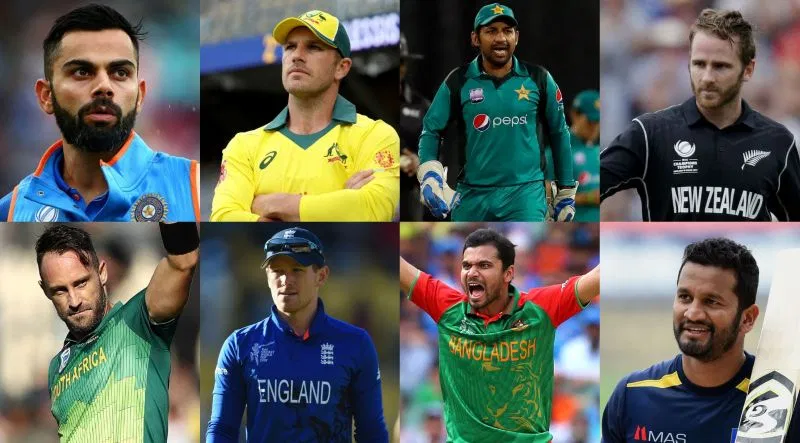
The T20 World Cup is returning in 2026 with an expanded 20-team format and co-hosted by India and Sri Lanka.This edition promises plenty of drama right from the group stage—as new nations make their debut, established powers aim for dominance, and underdog teams prepare to challenge the status quo.
Tournament Format & Key Details
-
Dates: Tentatively between 7 February and 8 March 2026.
-
Teams: 20 national teams divided into 4 groups of 5.
-
Progression: Top 2 teams from each group advance to the Super 8, then semis and final.
-
Hosts: India & Sri Lanka.
-
Defending Champion: India.
Prominent Groups & Early Matchups
Although the official group draws are still to be finalised, several early groupings and possibilities are emerging:
-
Groups will include combinations of top-ranked cricket nations and debutant or emerging teams.
-
The presence of co-hosts means one group will likely include either India or Sri Lanka, ramping up the home-team pressure.
-
Underdog teams will face high pressure in the opening matches—early losses may end chances quickly.
Emerging Underdog Storylines
1. Debutants & Emerging Nations
-
Teams such as Italy have earned qualification and will make a historic appearance.
-
Nations like Canada and Namibia are set to make impact performances.
-
This gives fresh dynamics and unexpected challenges to the tournament’s traditional favourites.
2. Traditional Powers Under Pressure
-
Established teams (Australia, England, South Africa, etc.) cannot afford slip-ups in the group stage.
-
A single upset can transform the narrative for a minor team and derail a major team’s campaign.
3. Home Advantage & Fan Pressure
-
India co-hosting increases expectations and media scrutiny.
-
Sri Lanka will also look to deliver strong home performances.
Home crowds can boost favourites—but also cause pressure that leads to surprises.
Matchups to Watch in the Group Stage
-
Big clashes between top ranked teams early on will set the tone for group dominance.
-
Matchups featuring emerging teams against giants—this is where “giant-killing” is possible.
-
Rivalry matches, especially involving India, Pakistan or any high-profile pairing in the group stage.
Why the Group Stage Could Be the Most Exciting Phase
-
With 20 teams, each match matters—no room for a slow start.
-
Emerging teams bring unpredictability; fans may witness breakout performances.
-
Top teams may experiment with combinations or rotate players, raising volatility.
-
Weather, pitch conditions in India & Sri Lanka and crowd intensity will influence outcomes heavily.
What This Means for Fans & Broadcasters
-
Expect premium matches early—fans must tune in from the start, not just knockout stages.
-
Broadcasters will highlight underdog stories and debutants, creating fresh storylines.
-
Social media and digital platforms will amplify surprises and “feel-good” results in real-time.
Conclusion
The 2026 T20 World Cup’s group stage is shaping up to be one of the most dramatic in recent cricket history. With an expanded field, new teams, strong hosts and high stakes from match one, there are countless storylines waiting to unfold. The underdogs may rise, favourites may stumble—and as a fan, you won’t want to miss a single moment.
Start marking your calendars and prepare for cricket excitement that begins early and lasts all the way to the final.
Outbound Links
https://en.wikipedia.org/wiki/2026_Men%27s_T20_World_Cup
https://www.icl-cricket.com/news/men-s-t20-world-cup-picture-clearer-ahead-of-2026-tournament/
https://www.olympics.com/en/news/these-teams-have-qualified-men-s-t20-world-cup-2026-full-list
