

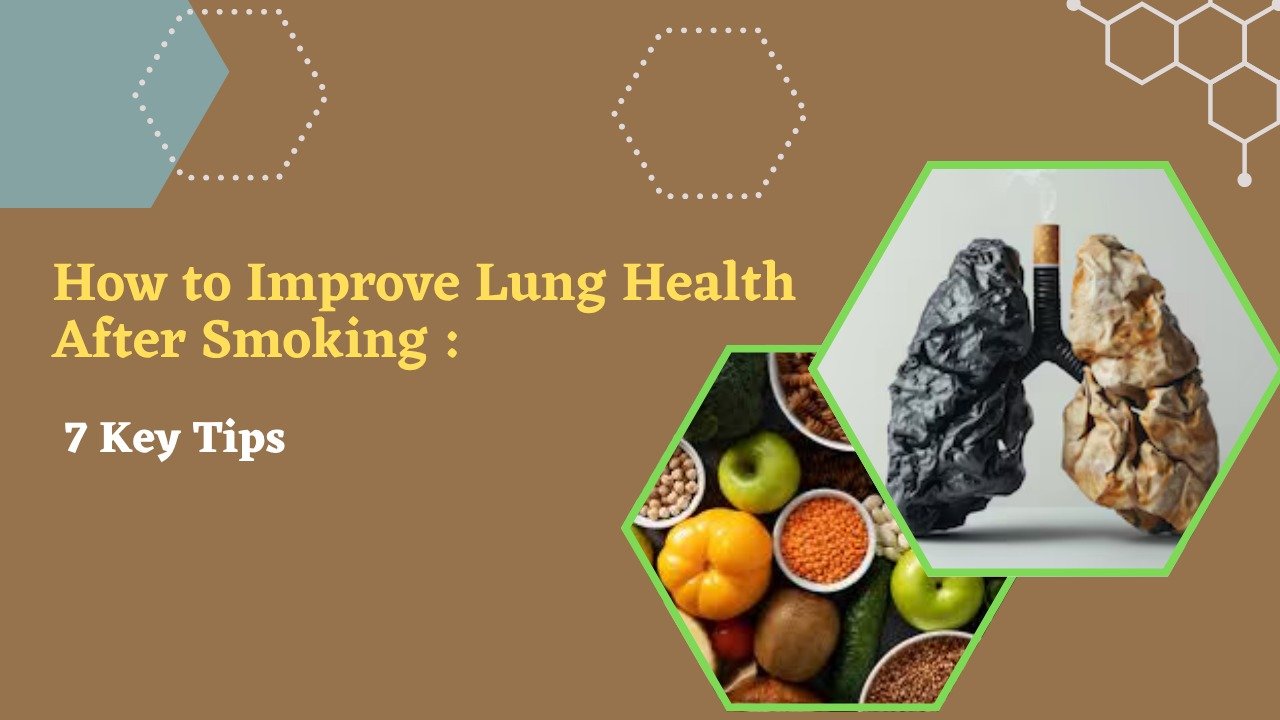
Quitting smoking is one of the best choices you can make for your overall health, especially when it comes to your lungs. Although smoking can cause serious damage, your body has a natural ability to heal, and your lungs can begin to recover over time. However, this recovery doesn’t happen instantly or without effort.
To help your lungs heal and grow stronger, you need to take active steps. This includes regular physical activity, breathing exercises, and avoiding polluted environments or secondhand smoke. Eating a healthy diet rich in antioxidants can also support lung repair. Staying hydrated helps thin mucus, making it easier for your lungs to function properly. With patience, care, and healthy habits, you can boost your lung function and improve your quality of life after quitting smoking.
In this article, we will explore the process of lung recovery after smoking cessation and reveal the Top 7 Most Effective Tips for enhancing lung health after quitting. Whether you’re days or years smoke-free, this comprehensive guide will help you breathe easier and live better.
What Happens to Your Lungs After You Quit Smoking ?
Before diving into how to improve lung health, it’s important to understand what happens physiologically when you quit smoking:
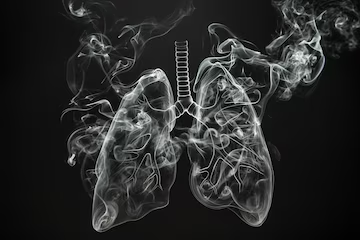
Within Hours:
- Carbon monoxide levels in your blood return to normal.
- Oxygen delivery to tissues improves.
- Your heart rate and blood pressure begin to stabilize.
After a Few Days:
- Bronchial tubes begin to relax, allowing easier airflow.
- You may cough more — this is your body’s way of clearing mucus and toxins.
Weeks to Months:
- Lung function improves significantly.
- Breathing becomes easier.
- Cilia (tiny hair-like structures that filter out dust and bacteria) begin to regrow.
1–5 Years:
- Risk of coronary heart disease drops dramatically.
- Persistent lung inflammation continues to subside.
10+ Years:
- Lung cancer risk drops by about half compared to current smokers.
- The risk of other cancers (throat, esophagus, bladder) also decreases.
Clearly, your lungs begin to heal almost immediately. But quitting alone isn’t always enough. To truly restore lung vitality and optimize your respiratory health, you’ll want to take additional steps.
Top Tips for How to Improve Lung Health After Smoking
Let’s break down the top seven strategies that former smokers can use to restore lung health and boost overall respiratory function.
Engage in Regular Cardiovascular Exercise

Why it works: Cardio exercises are a powerful way to support your recovery after quitting smoking. Activities like walking, jogging, cycling, and swimming help strengthen both your heart and lungs. These exercises boost circulation and encourage deeper, more efficient breathing, which is essential for lung repair.
When you engage in cardio workouts regularly, you increase your lung capacity. This means your lungs can take in more air, delivering more oxygen to your body with each breath. Over time, this helps you feel more energetic and less short of breath during physical activity.
If you’re looking for how to improve lung health after smoking, cardio is a great place to start. It promotes the natural healing process of your lungs and builds respiratory strength. Start with light exercises and gradually increase intensity as your endurance improves. Always consult your doctor before starting a new exercise routine, especially after quitting smoking.
What to do:
- Start with low-impact activities like walking or water aerobics.
- Gradually build up to more intensive routines.
- Aim for at least 30 minutes a day, 5 days a week.
Bonus: Cardio helps detoxify your lungs by encouraging deep breathing, which expands your lung tissues and helps expel mucus buildup.
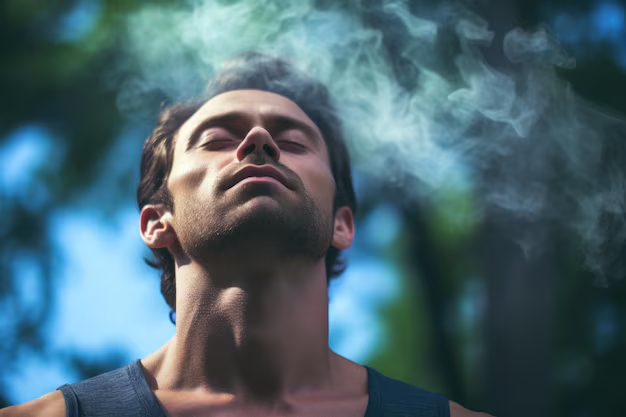
Practice Deep Breathing and Lung Expansion Exercises
Why it works: Years of smoking can lead to shallow breathing, which reduces your lung capacity over time. This means your lungs are not used to taking in full breaths, limiting the amount of oxygen your body receives. Reduced lung function can leave you feeling tired and out of breath more often.
One way to reverse this effect is through deep breathing exercises. These exercises help re-train your lungs to expand fully, allowing more air in and more waste gases out. Practicing slow, deep breaths daily can improve oxygen flow, clear out toxins, and strengthen the muscles involved in breathing.
If you’re wondering how to improve lung health after smoking, deep breathing is a gentle but effective method. It’s simple, doesn’t require equipment, and can be done anywhere. Over time, it can help restore normal lung function and increase your energy and well-being.
Effective techniques:
- Diaphragmatic Breathing: Focuses on using your diaphragm instead of shallow chest breathing.
- Pursed-Lip Breathing: Helps you release trapped air and control shortness of breath.
- Box Breathing: Inhale for 4 seconds, hold for 4, exhale for 4, and hold for 4.
Try this daily routine:
- Spend 10–15 minutes twice a day doing deep breathing exercises.
- Use smartphone apps or follow guided videos to stay on track.
Stay Hydrated to Help Clear Mucus
Why it works: Staying hydrated plays an important role in lung recovery, especially after quitting smoking. When your body is well-hydrated, it helps thin the mucus in your lungs. This makes it easier for your respiratory system to clear out leftover toxins and irritants caused by years of smoking.
Thinner mucus moves more easily through the airways, helping your lungs stay clean and function better. This reduces the chance of infection and allows your breathing to become smoother over time. Drinking enough water each day supports this natural cleaning process.
If you’re looking for how to improve lung health after smoking, start with proper hydration. Aim to drink at least 6–8 glasses of water daily, and consider warm fluids like herbal teas to soothe the lungs. Combined with other healthy habits, drinking more water is a simple yet effective step toward healing your lungs.
Tips for staying hydrated:
- Drink 2–3 liters of water daily.
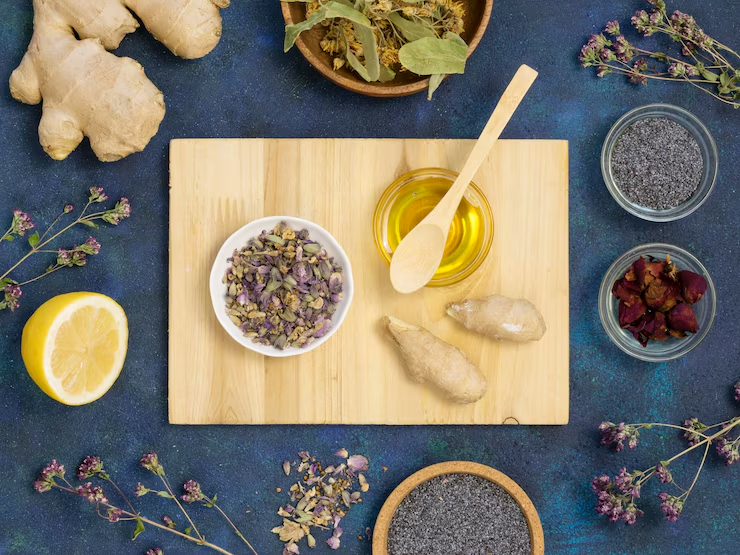
- Include herbal teas like licorice root, ginger, or mullein, which are known for lung-soothing properties.
- Avoid sugary sodas and caffeine-heavy drinks, which can dehydrate you.
Pro Tip: A humidifier can help keep your airways moist, especially during winter or in dry climates.
Eat a Lung-Friendly Diet Rich in Antioxidants
Why it works: Smoking exposes your lungs to harmful toxins that create oxidative stress, damaging lung tissue and causing inflammation. This stress continues to affect your lungs even after quitting. To help your body recover, it’s important to support it with the right nutrients.
A healthy diet rich in antioxidants can help combat this damage. Foods like berries, leafy greens, nuts, and colorful vegetables are packed with antioxidants that fight inflammation and support tissue repair. These nutrients help reduce the lasting impact of smoking on your lungs.
If you’re exploring how to improve lung health after smoking, start with your diet. Eating more whole, plant-based foods can give your lungs the support they need to heal. Alongside other habits like exercise and hydration, proper nutrition plays a powerful role in restoring lung strength and improving your breathing over time.
Top lung-friendly foods:
- Cruciferous vegetables: Broccoli, kale, cabbage
- Fruits: Berries, oranges, apples
- Nuts and seeds: Almonds, sunflower seeds
- Omega-3s: Found in flaxseeds, chia seeds, and fatty fish
- Spices: Turmeric and ginger have strong anti-inflammatory effects.
Avoid:
- Processed foods, excessive salt, and trans fats.
- Alcohol and excess caffeine, which can strain your respiratory system.

Use Natural Lung-Cleansing Remedies and Herbs
Why it works: After quitting smoking, your lungs may still carry toxins and inflammation from years of exposure. Natural remedies and herbs can support your body’s effort to cleanse and heal. These remedies help soothe the lungs and promote better breathing over time.
Herbs like mullein, peppermint, and eucalyptus are often used to support lung detoxification. They may help clear mucus, reduce inflammation, and calm irritated airways. Drinking herbal teas or using steam with essential oils are simple ways to benefit from these natural options.
When thinking about how to improve lung health after smoking, consider adding herbal support to your routine. These natural methods, combined with healthy habits like exercise and a balanced diet, can help speed up lung recovery. Always consult a healthcare provider before using any herbal remedy to make sure it’s safe and suitable for your needs.
Recommended natural remedies:
- Steam Inhalation: Use eucalyptus or peppermint essential oils to open up airways.
- Mullein Tea: Known for soothing inflamed lungs and clearing mucus.
- Licorice Root: Acts as an expectorant and has anti-inflammatory properties.
- N-Acetylcysteine (NAC): A supplement that helps break down mucus and boosts glutathione (a powerful antioxidant).
Caution: Always consult a healthcare provider before starting supplements, especially if you have underlying conditions.
Avoid Air Pollutants and Practice Clean Breathing
Why it works: After quitting smoking, your lungs begin to heal, but they remain sensitive during the recovery process. Exposure to harmful irritants can slow healing and increase the risk of long-term issues. Taking steps to protect your lungs is essential during this time.
Common irritants like air pollution, dust, strong chemicals, and secondhand smoke can trigger inflammation and damage. Avoiding these triggers helps prevent re-injury to your healing lung tissue. Using air purifiers at home and wearing a mask in polluted areas can offer added protection.
If you’re wondering how to improve lung health after smoking, avoiding irritants is a key step. This simple change reduces the risk of developing chronic lung conditions such as COPD. Combined with good nutrition, regular exercise, and hydration, protecting your lungs from harmful substances helps maintain their strength and function in the long run.
How to protect your lungs:
- Stay indoors on days with poor air quality.
- Avoid secondhand smoke, household cleaners with strong fumes, and moldy environments.
- Use HEPA air purifiers at home.
- Wear a mask when exposed to dust, allergens, or pollution.
Helpful Habit: Regularly ventilate your home and avoid smoking zones.
Get Regular Check-Ups and Consider Lung Function Testing
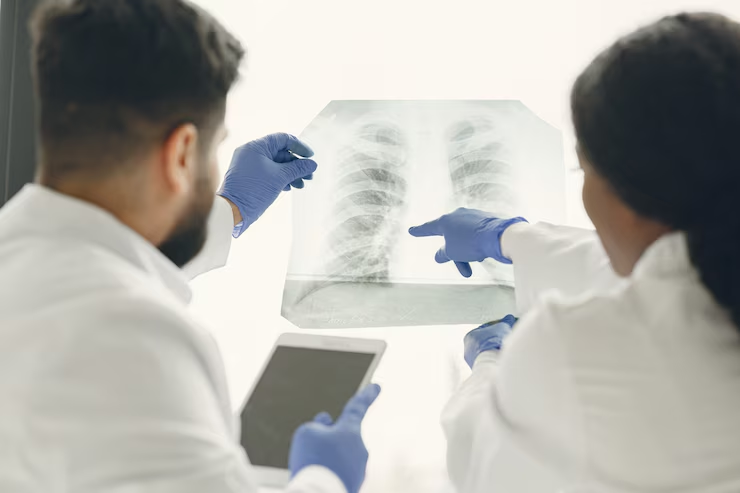
Why it works: Even after quitting smoking, some people may develop long-term breathing problems. Years of smoking can cause lasting damage that may lead to chronic conditions like COPD or even lung cancer. That’s why regular checkups are important, even if you feel fine.
Detecting problems early gives you a better chance of managing them successfully. Symptoms like a constant cough, shortness of breath, or chest pain shouldn’t be ignored. A doctor can recommend tests such as lung scans or breathing exams to catch issues early.
If you’re searching for how to improve lung health after smoking, staying alert to your body is part of the process. Regular medical checkups, along with a healthy lifestyle, help you protect your lungs. Early detection and quick action can make a big difference in long-term lung health and overall quality of life.
What to do:
- Visit a pulmonologist annually.
- Request a spirometry test to assess your lung function.
- Discuss symptoms like chronic cough, shortness of breath, or fatigue.
Stay proactive: Early intervention can make a world of difference in your long-term lung health.
Other Helpful Practices to Support Lung Recovery
While the top 7 tips are essential, consider integrating these bonus strategies:
Mindfulness and Meditation: Managing stress is essential when focusing on how to improve lung health after smoking. High stress levels can negatively affect your breathing patterns. Mindfulness practices such as meditation, deep breathing, or gentle yoga can help regulate your respiratory rhythm. These calming activities encourage greater awareness of each breath, helping to support healthy lung function and reduce tension in the chest and diaphragm.
Singing or Playing Wind Instruments: Engaging in activities like singing or playing wind instruments—such as the flute, trumpet, or saxophone—can greatly improve lung strength and breath control. These practices encourage controlled inhalation and exhalation, which naturally increase lung capacity. They offer a fun and creative way to strengthen respiratory muscles, making them a useful technique in your journey of how to improve lung health after smoking.
Elevate Your Sleeping Position: If you are seeking ways for how to improve lung health after smoking, consider adjusting your sleep habits. Sleeping with your head and chest slightly elevated can help prevent mucus buildup in the lungs. This simple change improves nighttime breathing, reduces the risk of coughing fits, and lowers the chance of shortness of breath while you rest.
Practice Gratitude for Your Healing Body: Lung recovery is a gradual process, and it’s important to stay mentally positive during the journey. Acknowledging and appreciating your body’s ability to heal—even small improvements—can boost motivation and emotional well-being. Practicing gratitude helps you stay committed to the long-term process of how to improve lung health after smoking, reinforcing both mental and physical recovery.
The Timeline of Lung Healing – What to Expect
It’s natural to wonder how long it takes to feel the benefits.
Here’s a rough timeline:
| Time Since Quitting | Lung Health Improvements |
|---|---|
| 1–3 Days | Bronchi start to relax, improved oxygen |
| 2–4 Weeks | Increased lung capacity, less coughing |
| 1–3 Months | Improved stamina and circulation |
| 6 Months | Cilia fully regenerate, fewer infections |
| 1–2 Years | Lung function stabilizes |
| 5+ Years | Lung cancer risk significantly reduced |
Healing isn’t always linear, and former smokers may experience some chronic symptoms, but overall, the body has a powerful ability to rebound.
When to Seek Medical Help
Even after quitting, consult your doctor if you experience:
- Persistent chest pain
- Blood in sputum
- Chronic wheezing or coughing
- Frequent bronchitis or respiratory infections
A doctor may recommend imaging, spirometry, or even pulmonary rehabilitation if needed.
Final Thoughts: Your Lungs Are Worth the Work

Quitting smoking is a monumental first step toward healing your lungs, but true recovery takes time, consistency, and care. Understanding how to improve lung health after smoking empowers you to take control of your well-being and actively support your body’s natural healing process.
Through regular exercise, deep breathing, a nutritious diet, natural remedies, and clean air habits, you can significantly boost lung function and reduce your risk of chronic disease. Every healthy choice you make contributes to cleaner, stronger lungs — and a longer, fuller life. Remember, progress may be gradual, but it is always possible.
Stay committed, be patient with your body, and celebrate each breath as a sign of healing. Whether you’re newly smoke-free or many years into your journey, it’s never too late to improve lung health and reclaim your vitality. Start today — because your lungs deserve the best chance at recovery.
