

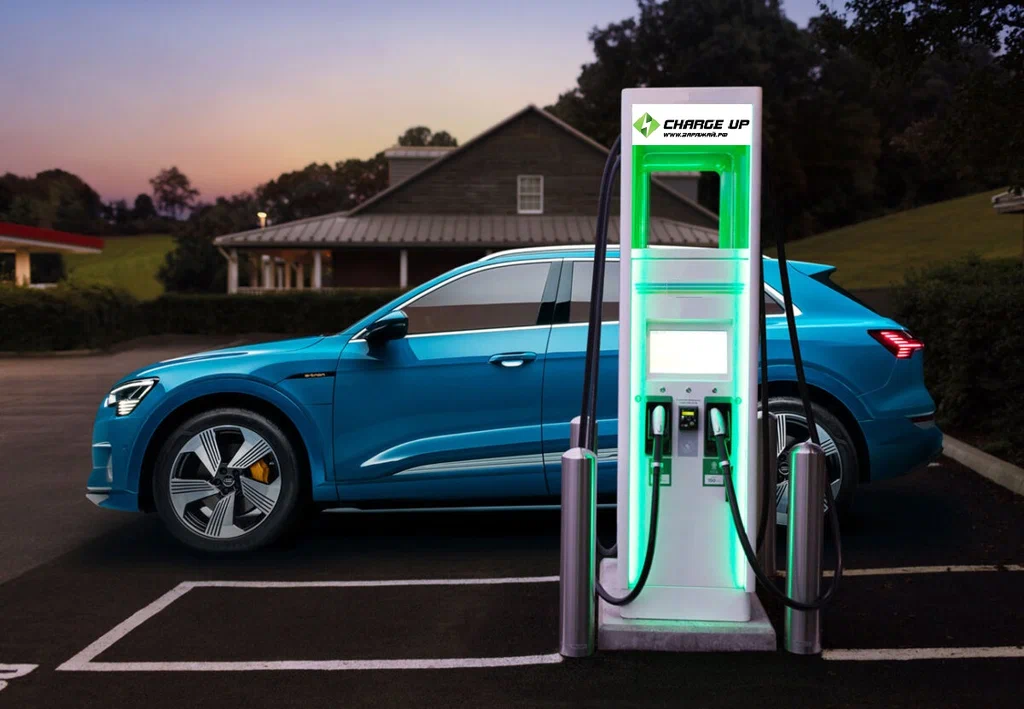
The automobile industry is experiencing a historic shift in 2025, as electric vehicles (EVs) enter a new era of ultra-fast charging and long-range battery technology. What once took hours can now be achieved in just a few minutes — thanks to groundbreaking advancements in solid-state batteries, sodium-ion cells, silicon-anode technology, and wireless ultra-fast chargers.
Countries and global automakers are investing massively to reduce charging time, extend battery life, and accelerate EV adoption worldwide. With these innovations, range anxiety and long charging delays are becoming a thing of the past.
Why New Battery Tech Matters in 2025
Electric mobility depends on three core demands:
• Faster charging time
• Longer driving range
• More affordable batteries
The next generation of EV batteries promises:
✔ 80% charge in under 10 minutes
✔ 700–1000 km driving range
✔ More eco-friendly & cheaper raw materials
✔ Higher safety and lower fire risk
This technology is powering the global transition away from fuel engines.
Top Breakthrough Battery Technologies of 2025
1️⃣ Solid-State Batteries
• Replace liquid electrolytes with solid materials
• Safer & support extreme fast charging
• Expected to become mainstream from 2025–2027
• Used by brands like Toyota, Nissan & BMW
2️⃣ Sodium-Ion Batteries
• Cheaper alternative to lithium-ion
• More sustainable with abundant materials
• Better performance in low temperatures
• Ideal for mass-market EVs in India, China, and Europe
3️⃣ Silicon-Anode Batteries
• Higher energy density than graphite anodes
• Up to 50% longer driving range
• Many automakers developing at commercial scale
4️⃣ Ultra-Fast Charging Tech (350kW+ DC)
• Charge EVs in minutes instead of hours
• More high-speed chargers being installed globally
• Forming the backbone of smart charging networks
How Fast Will Charging Be in 2025?
Many new EVs will support:
✔ 10 minutes → 80% charge
✔ 20–25 minutes → Full charge
This makes charging almost like a quick fuel stop.
Leading EV Manufacturers in Battery Innovation
2025 sees fierce competition among:
• Tesla
• BYD
• Hyundai & Kia
• Tata Motors & Mahindra (India expanding rapidly)
• Mercedes-Benz & BMW
Their goal: Deliver high performance, long range, and rapid charging — at a lower cost.
Environmental & Safety Benefits
New batteries will:
• Reduce dependence on rare metals like cobalt
• Enable better recyclability
• Lower risk of fire or overheating
• Minimize pollution through green energy manufacturing
This drives global climate goals and energy independence.
Real-World Impact in 2025
Drivers will benefit with:
✔ More charging stations everywhere
✔ Cheaper maintenance than petrol cars
✔ Government subsidies & tax rebates
✔ Smooth, quiet and powerful driving experience
Electric cars are shifting from luxury to mainstream mobility.
The Future: Wireless and Solar-Powered EV Charging
R&D is advancing toward:
• Road-embedded wireless charging
• Solar roof panels for self-charging
• Fully recyclable EV batteries by 2030
Soon, owning a car that charges itself while driving may become normal.
Conclusion
2025 marks a turning point for the automotive world. With fast-charging battery technology arriving, EVs are now more practical, affordable, and future-ready. Faster charging, longer range, and sustainable materials make electric cars the smartest choice for the next generation of drivers.
The future of transportation is electric — and the future is here.
Outbound Links (Not Embedded in Words)
https://www.tesla.com
https://global.toyota
https://www.byd.com
